The topic I canceled my Perplexity Pro — it has gotten worse in every way is currently the subject of lively discussion — readers and analysts are keeping a close eye on developments.
This is taking place in a dynamic environment: companies’ decisions and competitors’ reactions can quickly change the picture.
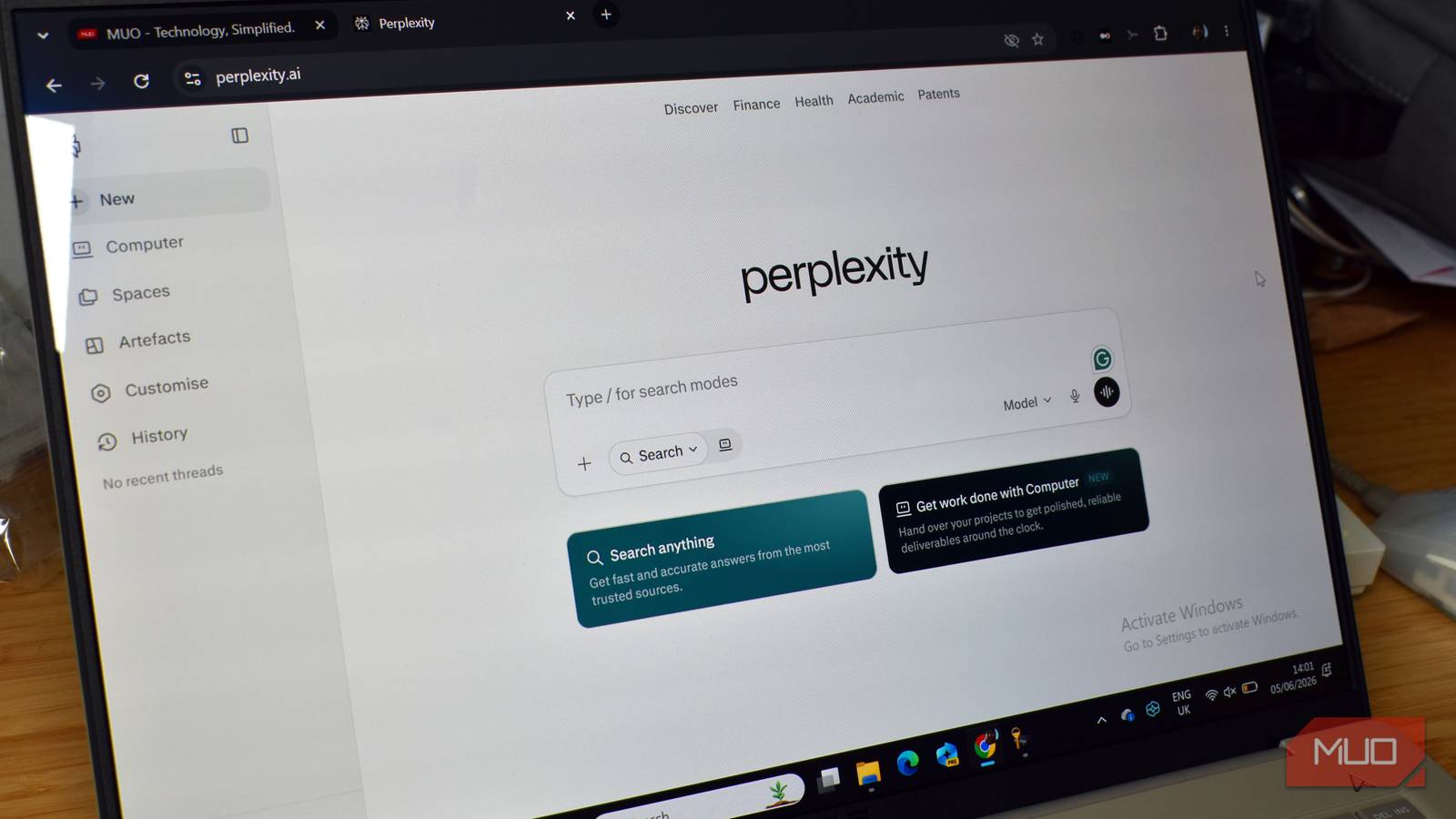
I first signed up to Perplexity Pro in 2023. This was when Perplexity was really taking the AI fight to ChatGPT, and before Claude and Gemini made the enormous gains that made them OpenAI’s biggest competitors.
It was a glorious time. Perplexity fused the conversational style of ChatGPT with the in-depth search results of Google, and for a while, it was easily the best alternative to ChatGPT.
But times have changed. Perplexity embarked on an enormous freemium giveaway via PayPal, ISP partnerships, and other methods, promising every single person a Pro account. It devalued the service and angered those who had paid. There have been issues with model switching, low-quality sources, drastically swinging rate limits, and poor responses, with equally baffling decisions by Perplexity itself.
That’s why when my Pro account lapsed, I was in no way rushing back with credit card in hand.
In November 2025, I reported that Perplexity was switching AI models without informing the user. This came on the back of research posted on Reddit and the Perplexity Discord, all of which showed the premium service downgrading chats without warning.
The issue saw a huge number of Pro account cancellations, though it has to be said, many were likely there on free Pro account handouts (more on these in a moment).
Perplexity CEO Aravind Srinivas acknowledged the problem on the Perplexity subreddit, explaining why the model switching issue had suddenly come to light.
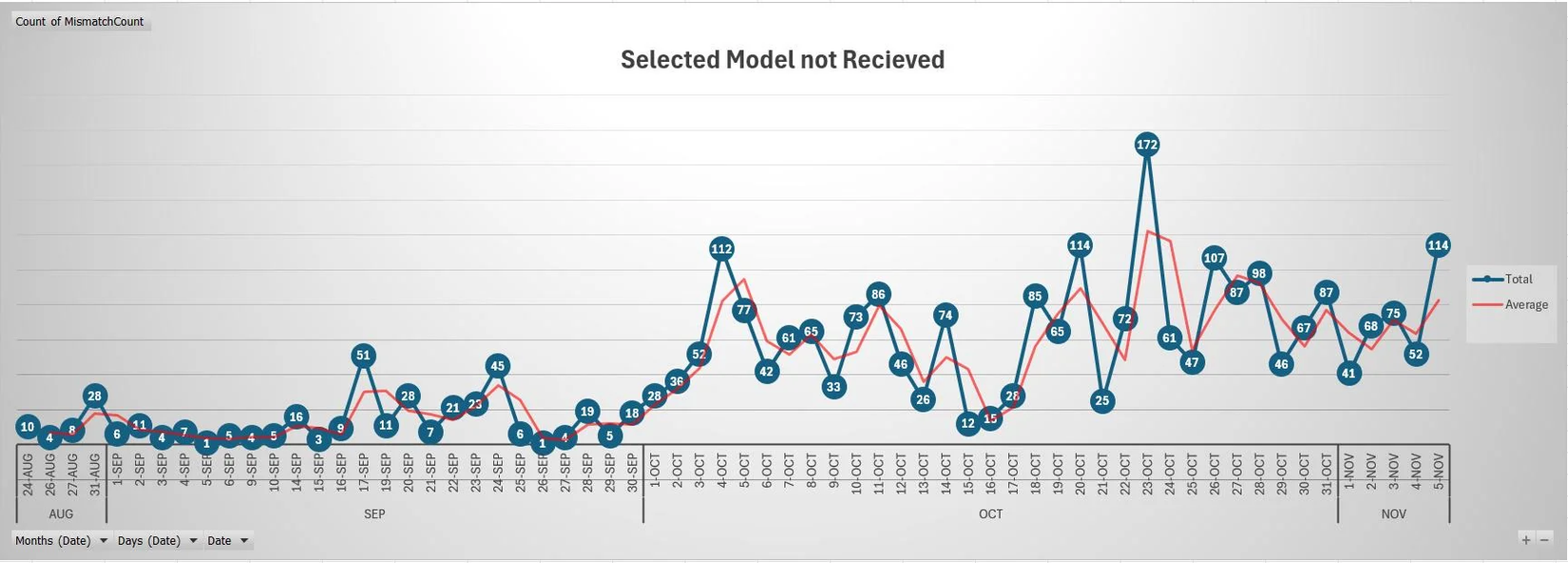
The long version: Sometimes Perplexity will fall back to alternate models during periods of peak demand for a specific model, or when there’s an error with the model you chose, or after periods of prolonged heavy usage (fraud prevention reasons). What happened in this case is the chip icon at the bottom of the answer incorrectly reported which model was actually used in some of these fallback scenarios.
I’m sure you saw Perplexity Pro being given away to the entire internet throughout 2024 and 2025. Every man and his dog had a Perplexity Pro subscription courtesy of PayPal, their ISP, their car dealership, a new fridge-freezer deal, or even just buying a latte on your way to work.
Perplexity’s ultra-aggressive growth strategy started well. Folks that wouldn’t normally spring for a premium AI subscription were suddenly engaged, and in fairness to Perplexity, it definitely raised its profile among other high-end sponsorships.
I’ll caveat this section with the very clear fact that all AI models are built using data scraped from the internet. It’s not a unique Perplexity issue, and there have been other lawsuits directed at OpenAI and other platforms.
But Perplexity seems to be under constant threat, and allegedly acting in a more shady manner than the already underhanded data scraping policies of its competing platforms.
for example, a 2024 Wired investigation found Perplexity may have been using undisclosed IP addresses to access content from sites that had explicitly opted out of being scraped via robots.txt. Perplexity said it respected those restrictions, but the evidence suggests otherwise.
That opened the door for more investigations by other publications. News Corp’s Dow Jones and the New York Post sued, describing what Perplexity does as a “content kleptocracy” for its propensity to just straight up steal content written by other creators, all while telling publications to use their robots.txt and other blocking methods to avoid scraping.
Perplexity ended up with a huge number of publications knocking at the door: The New York Times, Chicago Tribune, Encyclopedia Britannica, Merriam-Webster, Nikkei, Asahi Shimbun, and Reddit, to name a few.
Perhaps most tellingly, Perplexity CEO Aravind Srinivas was effectively speechless when asked to define plagiarism at TechCrunch Disrupt 2024; easier to avoid the question than drop yourself further into the mire, I suppose.
Researchers at AI-detection company GPTZero also found seriously worrying problems with Perplexity’s output. It boiled down to Perplexity’s citations using extremely low-quality sources that were, in effect, picking AI-generated content containing hallucinations, effectively amplifying the hallucinations in the process.
Instead of opting for high-ranking content, Perplexity chose sketchy blogs, LinkedIn posts, and content that contained errors and fabrications. I’d add that the end-user should always double-check the sources when using AI, and that’s a well-known sticking point for any AI-generated research or otherwise. But in combination with Perplexity’s enormous uptick in users, enough dross was making it through that it became an enormous problem.
Unlock the true potential of AI with this game-changing alternative to ChatGPT.
Even without all the model switching and lawsuits and other issues, there is another reason why I won’t bother with Perplexity Pro: every other AI platform now has integrated internet search.
When Perplexity first launched, its combination of AI meets internet search was truly unique and pushed the boundaries. We longed for the days when you could search the internet in ChatGPT, and Perplexity filled that hole perfectly.
But now, ChatGPT, Gemini, and Claude all have real-time search. You can even give your local AI model access to an MCP server to give it a level of internet access.
The very feature that made Perplexity so powerful is now just a standard feature. On top of that, the major Perplexity alternatives happily source materials, complete well-cited deep research, and much more, and don’t have half the legal battles affecting Perplexity.
All in all, when every other app can do the same, and actually offer better additional services and features, why would I head back to something lacking what I need?
About the Author