The topic AI voices clones are creepy enough – Now phone carriers want them too is currently the subject of lively discussion — readers and analysts are keeping a close eye on developments.
This is taking place in a dynamic environment: companies’ decisions and competitors’ reactions can quickly change the picture.
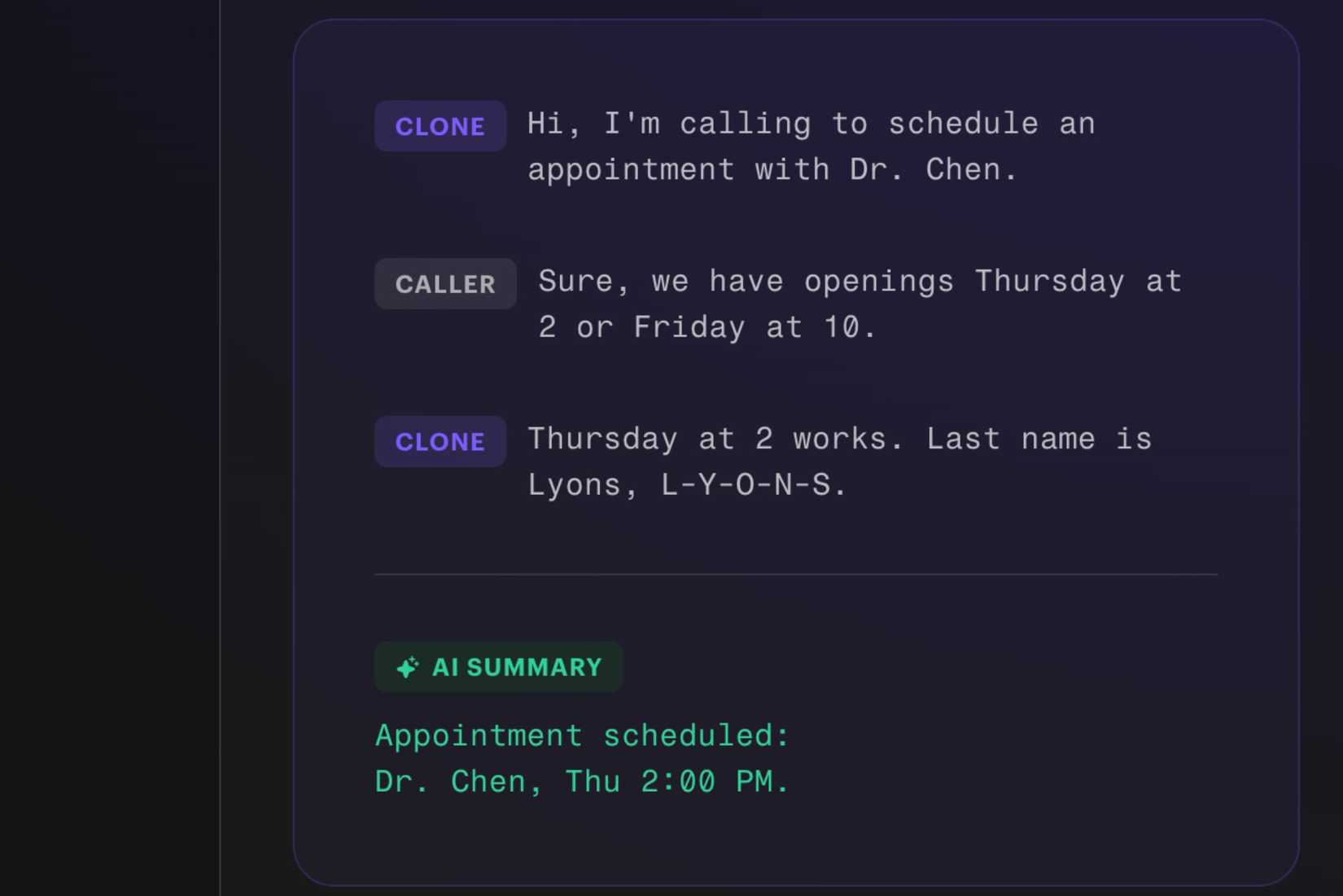
A MVNO you might not have ever heard of has come up with a ground-breaking new idea: let AI clone your voice and make your annoying phone calls for you. It sounds like convenience, but is it really worth the potential security risks? Not for me.
On paper, the new AI clone from Really sounds like a helpful agent. Being able to take spam calls and manage them for you, as well as cancel your subscriptions and deal with other mundane tasks are all things that you’d probably love to hand off to someone else — I know I would. And the idea of AI agents that handle every tasks for people isn’t exactly new. We’ve seen an assortment of agents drop over the months, including one from Google that can do your digital chores for you.
But it’s the hidden cost and the potential of abuse that makes me hesitant to go all in on these kinds of AI-powered tools. See, while AI agents like CC, which can help manage your email automatically, could probably be abused in some way, they don’t cross the same line that Really’s AI clone does. They don’t take control of your voice.

Because while Really is advertising its clone AI as a way to take care of mundane tasks, it also advertises it as being able to “learn how you communicate” and to “act on your behalf.” And, because the service is built directly into the carrier itself, that means you aren’t just feeding your data to an app developer; you’re feeding it to the carrier. Considering some of the privacy concerns we’ve seen in the past regarding carriers — T-Mobile was accused of recording screens back in 2025 — giving my phone carrier unbridled access to create an AI clone of my voice just doesn’t sound like a good idea.
Now, the real crux of the issue at hand here is that trusting something as prolific as your voice to AI isn’t exactly easy. Or, at least, it shouldn’t be if you value your personal privacy. That’s because AI is still very untested in terms of remaining secure long-term. We’ve already seen multiple instances of researchers using AI to hack into calendars, and all the data that you send through an AI goes straight into the company’s vault, where it can be processed and then sold back out to advertisers and third parties looking to gather more information about you.
Really boasts that it is made on top of a decentralized network, and offers a ton of other privacy-related features as part of its service. However, that doesn’t negate the potential risks of trusting that much control — your voice and your phone number — to an AI chatbot. Or the risk should that data somehow be stolen by bad actors. Maybe it’s the future, and maybe it’s inevitable that these features come to all of our phones and carriers. But for now, I’m happy handling my mundane everyday tasks if it means getting to keep my voice.
About the Author